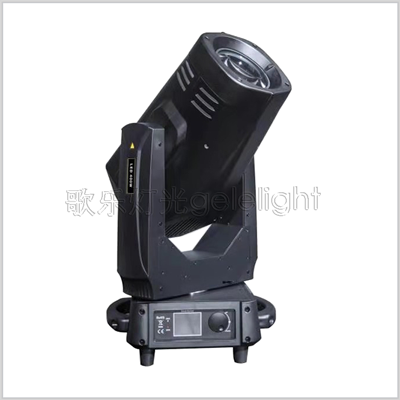
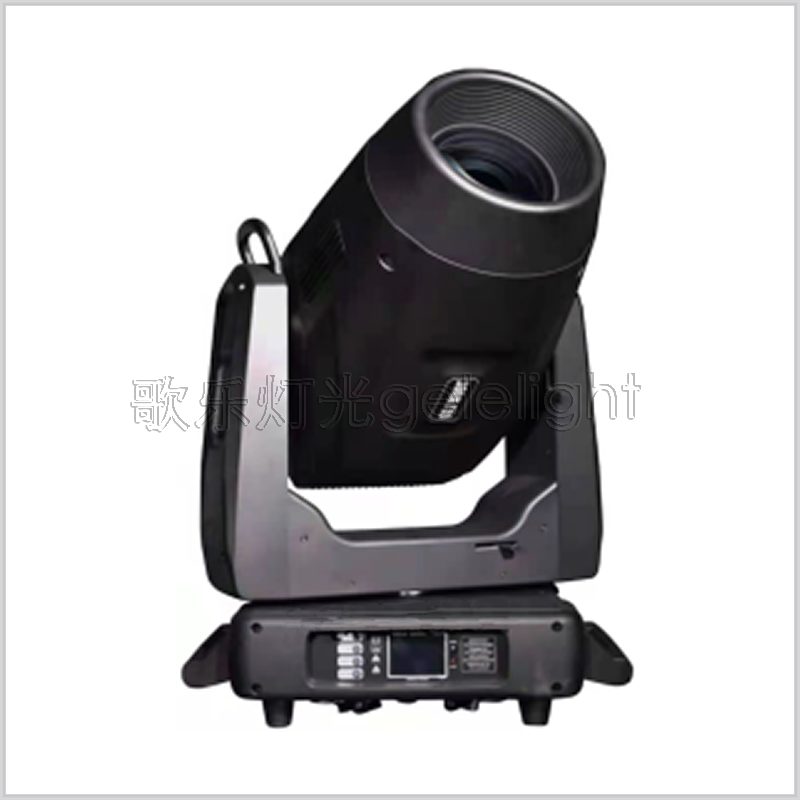
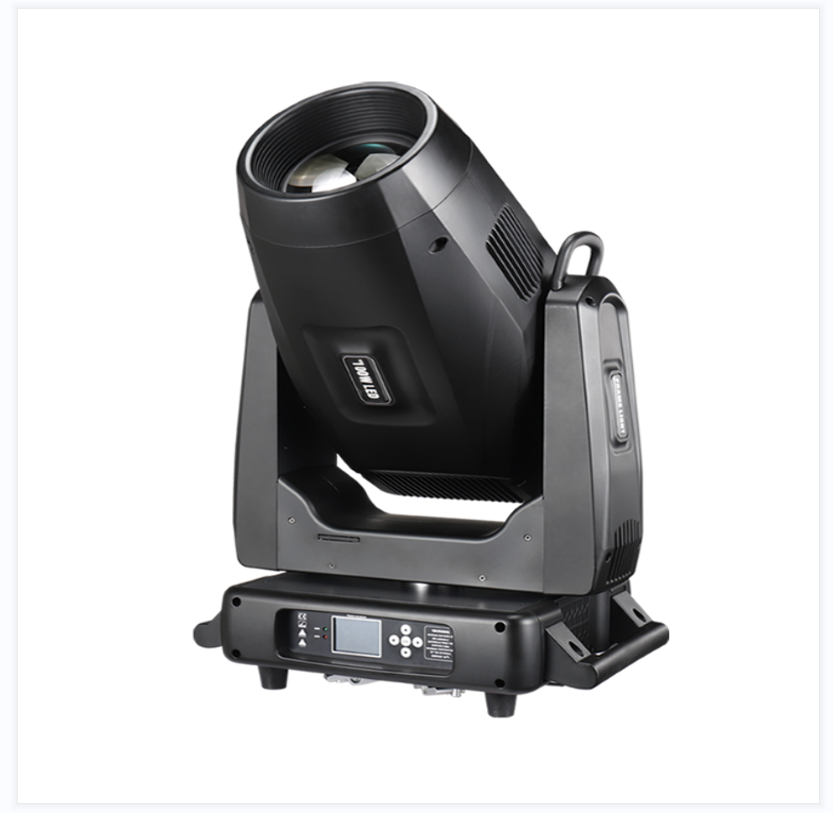
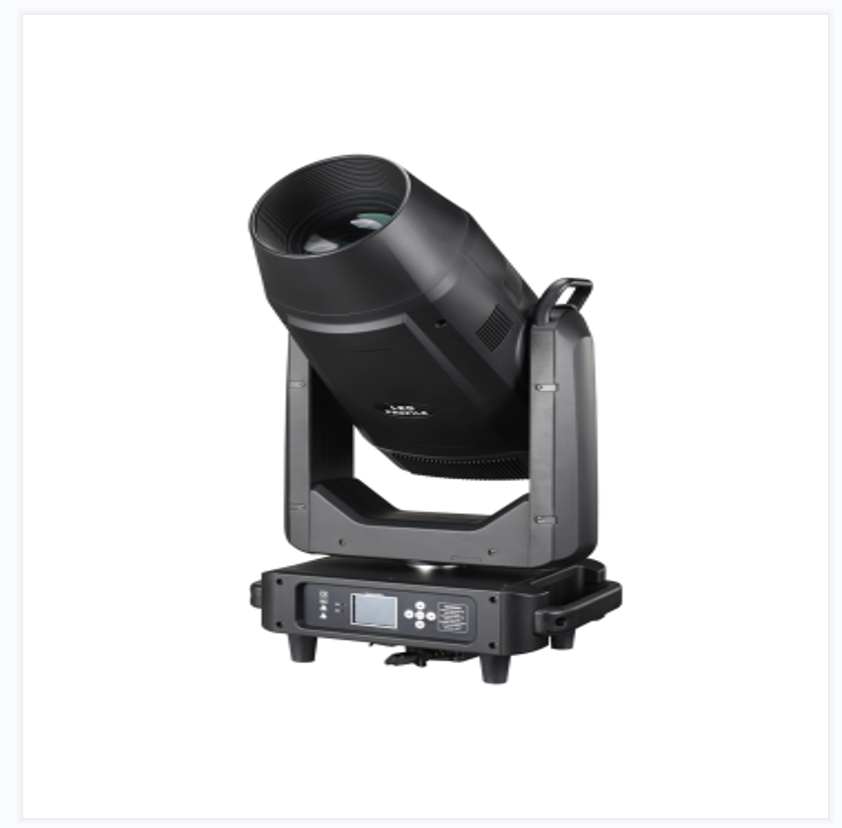
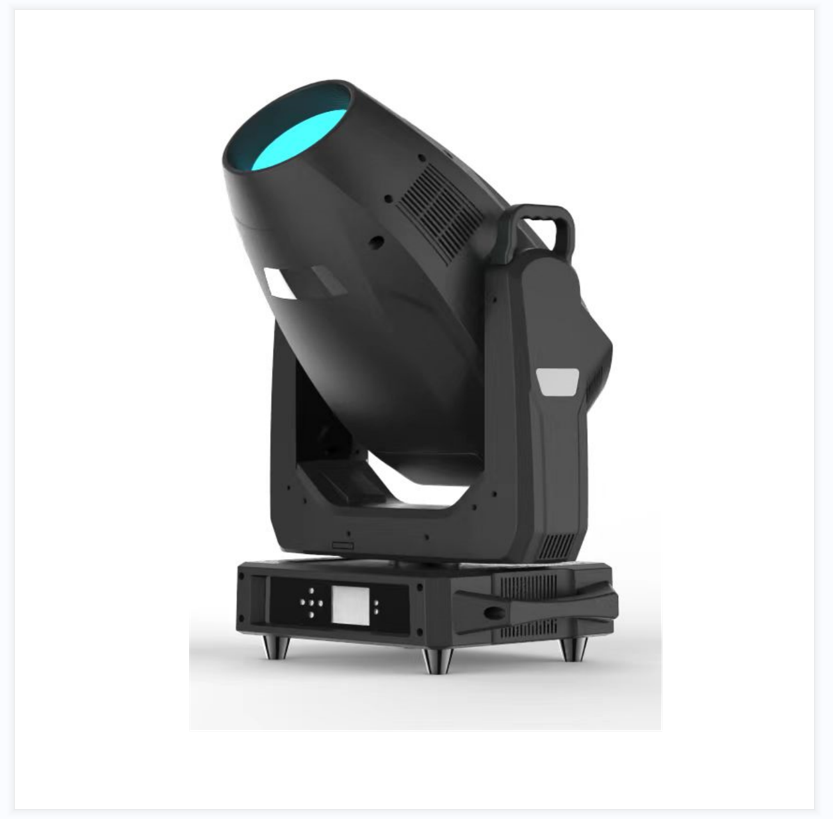
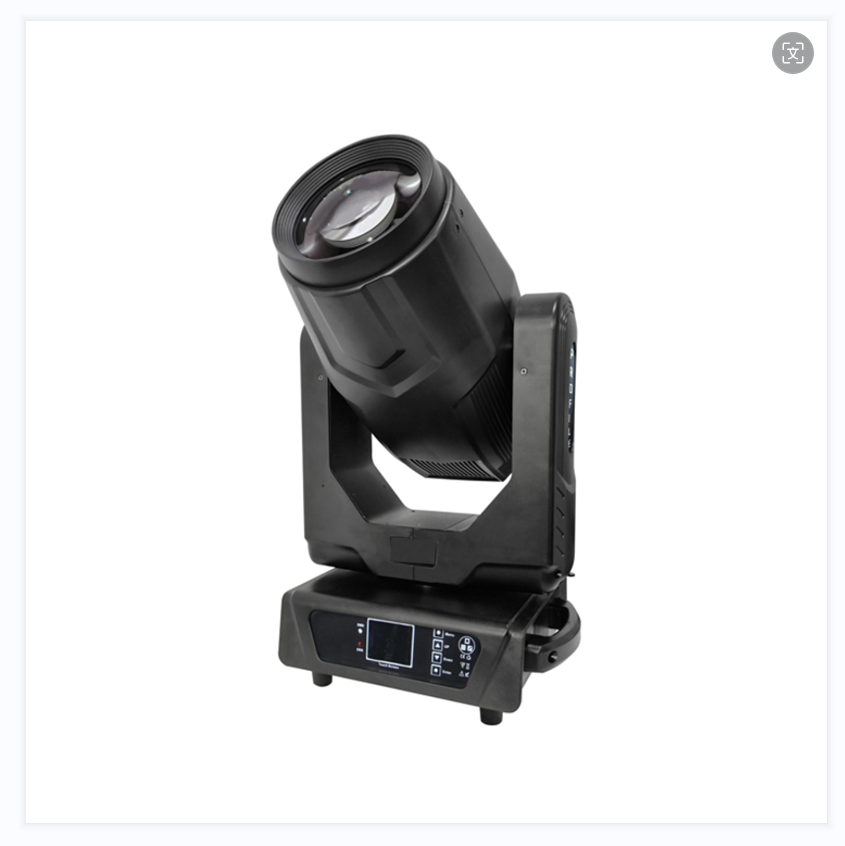
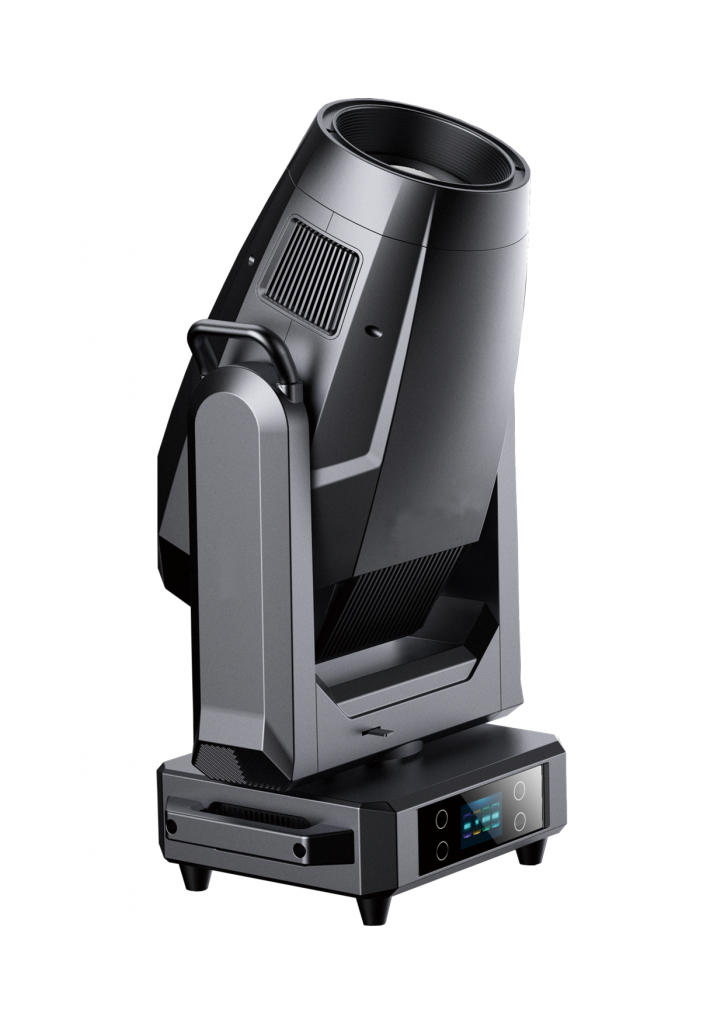
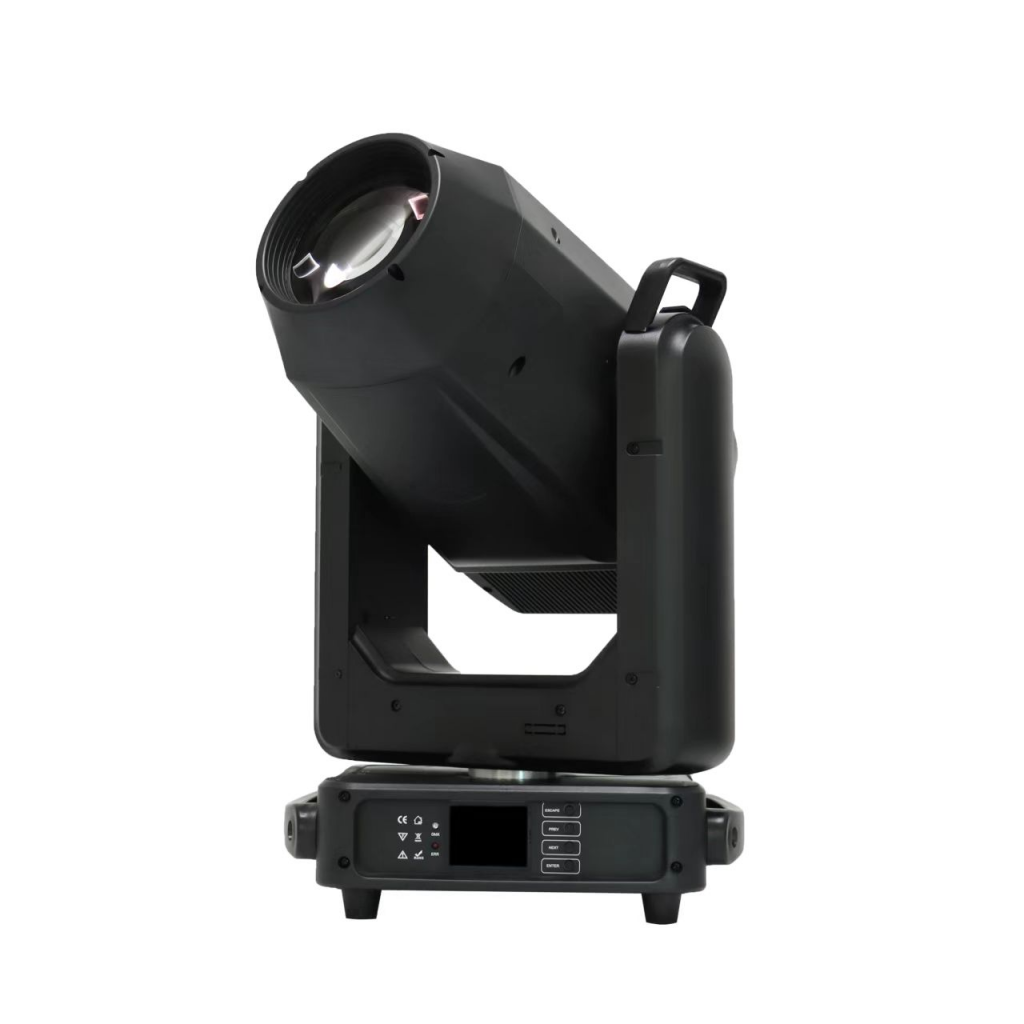
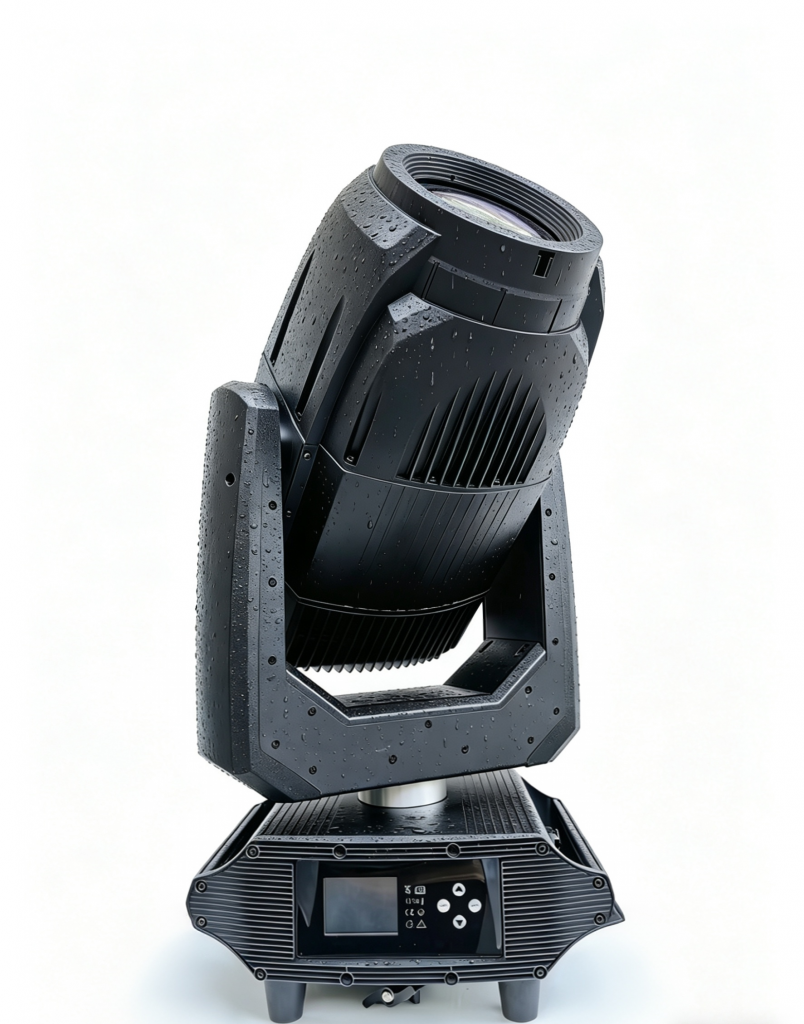
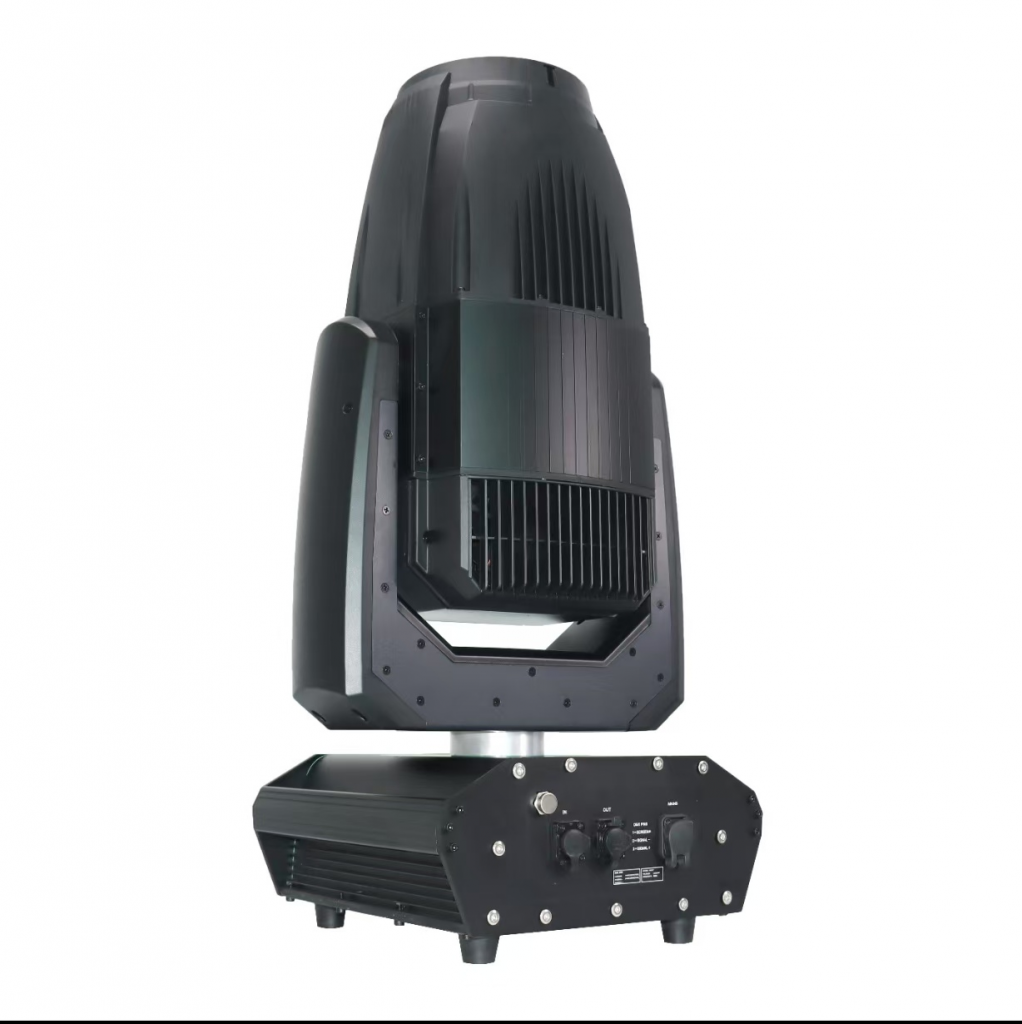
LED framing moving heads
22 products
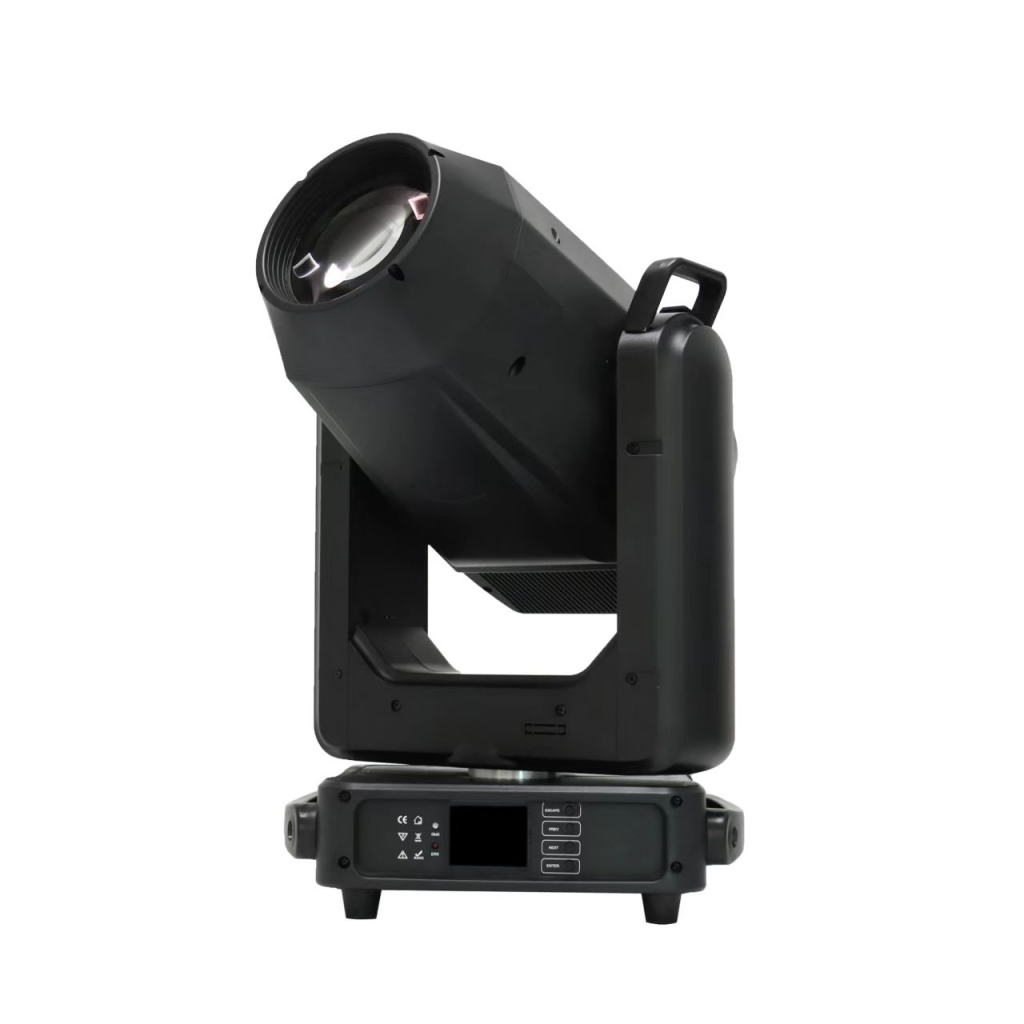
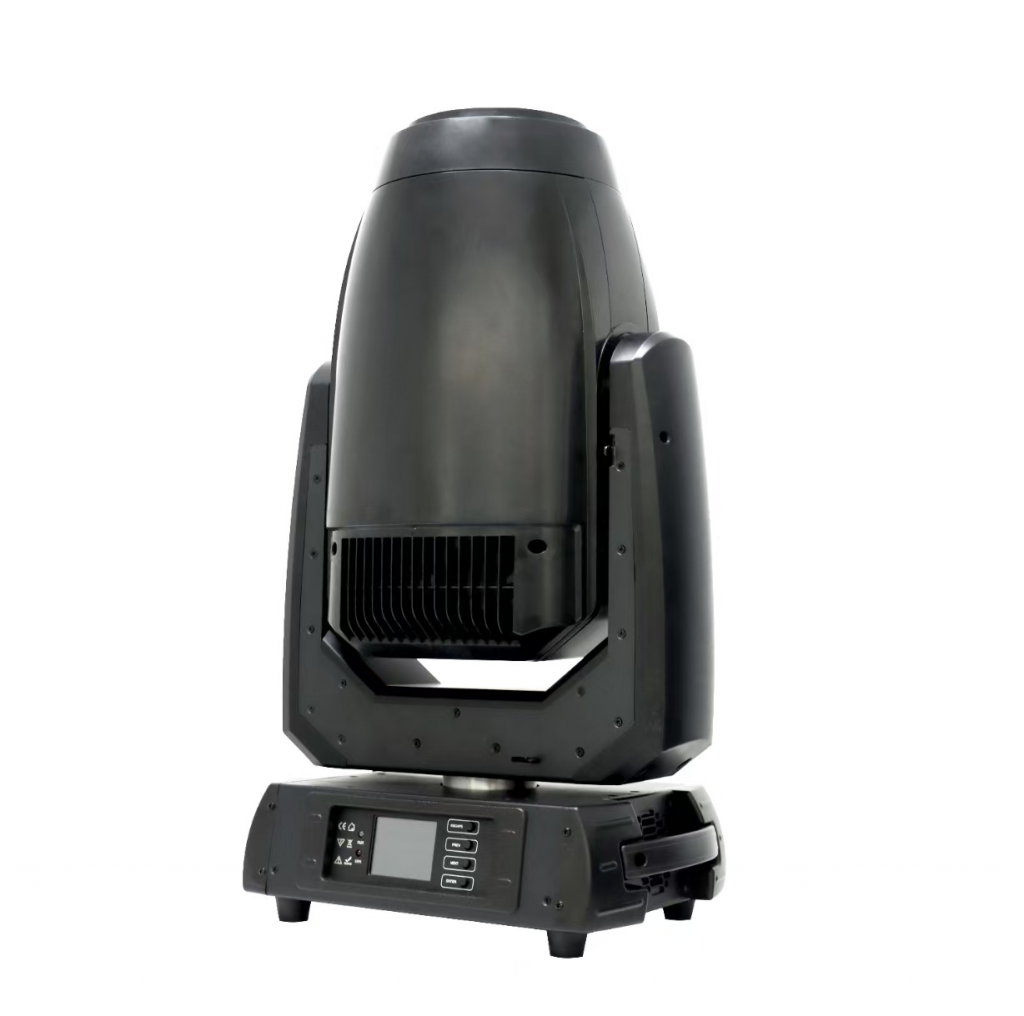
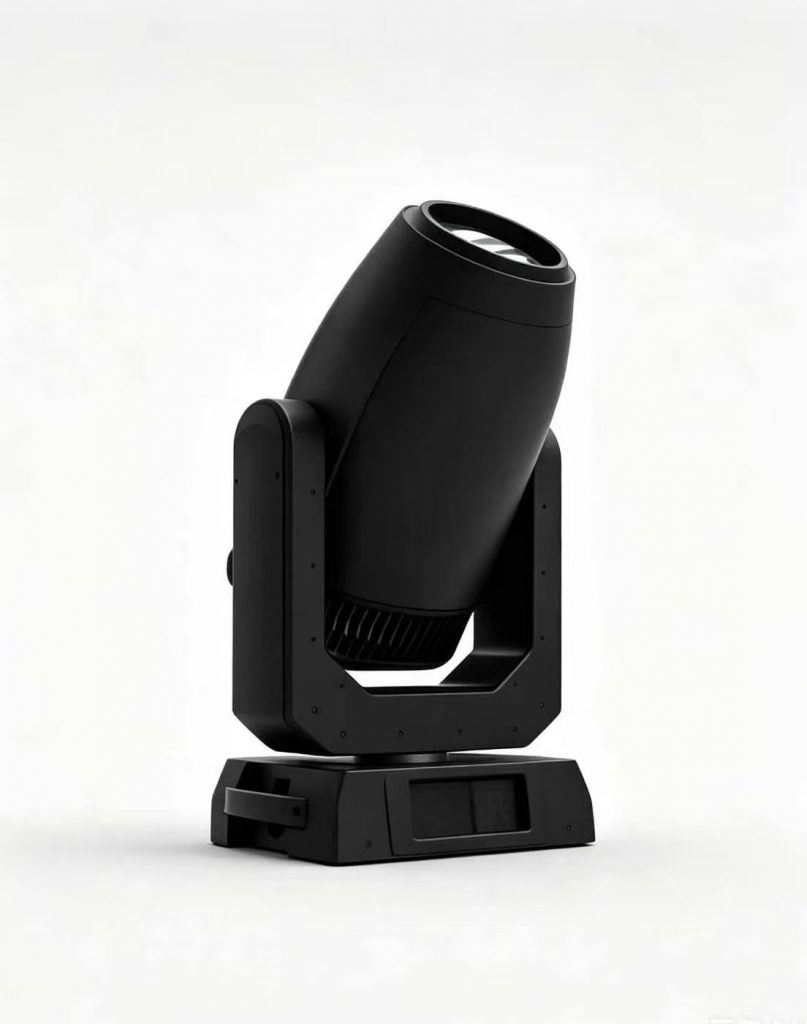
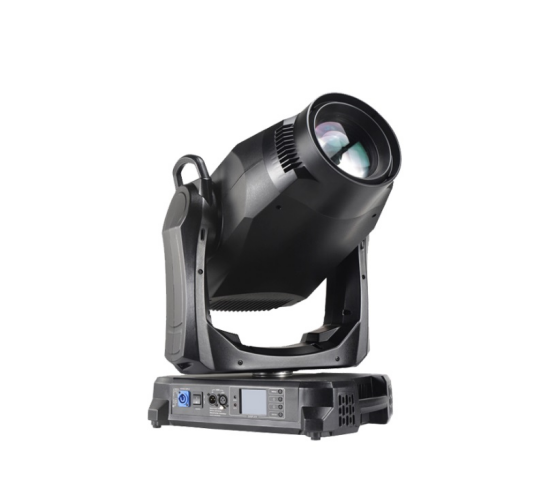
A framing moving head (also called a framing light, an LED framing light, a profile moving head, an LED profile light or a shutter moving head) does one thing a normal moving head cannot: it cuts the beam into a rectangle, with each of the four blades angled independently. That is how you trim light to the edge of a stage, cut a clean square onto a wall, or stop a beam spilling past a curtain. This page covers three things: which number the “W” in the model name actually is, what changes between indoor and outdoor, and where the price goes. Every figure is read from our own product spec sheet and can be checked line by line.
1. The W in the model name is three different numbers
The “800W” in a framing light’s model name appears as three separate figures in our own spec sheet: the model name, the LED module power, and the fixture power. They are not equal, and in two tiers the module is smaller than the number in the name:
| Model name | LED module | Fixture power | Zoom range | Framing rotation | DMX channels | Net weight |
|---|---|---|---|---|---|---|
| 600W | 600W | 750W | 5°~42° | 0°–90° | 34 | 27 kg |
| GL-800QG 800W — 27.5 kg / 90° | 750W | 900W | 5°~42° | 0°–90° | 34 | 27.5 kg |
| GL-800QG 800W — 24 kg / 120° | 750W | 900W | 5°~42° | 0°–120° | 34 | 24 kg |
| 1000W | 1000W | 1150W | 5°~42° | 0°–120° | 34 | 25 kg |
| 1200W | 1200W | 1400W | 5°~50° | 0°–120° | 34 | 26 kg |
| 1400W | 1350W | 1500W | 5°~50° | 0°–120° | 34 | 26 kg |
Two GL-800QG configurations are currently available and use the same photos. The 27.5 kg / 90° configuration has 7 rotating gobos and a 5-colour + CTO wheel. The 24 kg / 120° configuration has 8 rotating gobos and a 9-colour wheel with independent CTO. Both product pages specify a 750W LED module, 900W fixture power and IP20. Specify the configuration when requesting a quotation; photos alone do not identify it.
Size the circuit from the fixture power, not from the model name. In our own spec sheet the tier named 1400W draws 1500W, and the tier named 1200W draws 1400W. Wire it from the badge and a few fixtures at full output will find the breaker.
One more thing that gets asked wrongly: our spec sheet has no model called 900W and none called 850W. 900W is the fixture power of the 800W tier, and 750W is that tier’s module power — so searches for “900W” land on the same fixture. Before comparing prices, ask which of the three numbers the other side is quoting, or you are not comparing the same thing.
Worth being plain about tier spacing too. Above 600W our own spec sheet carries five model names — 600, 800, 1000, 1200 and 1400 — the 600W framing light, the 800W framing light, the 1000W framing light, the 1200W framing light and the 1400W framing light, and each row’s zoom range and framing angle is what a comparison turns on. At the low end, a 500W framing wash and 200W / 300W manual framing profiles. The intermediate numbers buyers search for (100, 150, 250, 350, 450, 550, 650, 700) have no matching model in the sheet; they are usually another maker’s tiering habit, so read them against the nearest tier here.
2. Indoor and outdoor: same name, different chassis
The same model name comes as an indoor unit and as a sealed outdoor framing light — the waterproof framing light version. In our own spec sheet the indoor units are rated IP20 and the outdoor units IP66. Weight climbs with power, and the outdoor housing adds its own:
| Model name | Fixture power | Net weight (indoor) | Net weight (outdoor) |
|---|---|---|---|
| 600W | 750W | 27 kg | 27.6 kg |
| 800W (27.5 kg indoor configuration) | 900W | 27.5 kg | 28 kg |
| GL-800QG 800W (24 kg indoor configuration) | 900W | 24 kg | Confirm the outdoor model separately |
| 1000W | 1150W | 25 kg | 29 kg |
| 1200W | 1400W | 26 kg | 32 kg |
| 1400W | 1500W | 26 kg | 32 kg |
The two weight columns are the two ratings named above: the indoor column is the rows our own spec sheet rates IP20, the outdoor column the rows it rates IP66.
An outdoor unit is not an indoor one with a gasket added: in the 1400W tier our own spec sheet gives 26 kg indoors against 32 kg outdoors — 6 kg more. Rigging points, truss capacity and any lifting mechanism have to be recalculated for the outdoor figure, not the indoor one.
3. Framing angle and zoom decide what you can cut
Framing rotation: the 600W row and the 27.5 kg GL-800QG configuration specify 0°–90°. The 24 kg GL-800QG configuration and the listed 1000W-and-above rows specify 0°–120°. For cuts requiring the wider rotation range, choose the exact configuration by its stated angle.
Zoom range: 5°~42° on 600W to 1000W, and 5°~50° on 1200W and 1400W. The narrow end decides whether the edge stays hard over a long throw; the wide end decides whether one fixture can fill a wall at short range. In a deep room where the same fixture also has to serve as front light, the 50° tier saves you a fixture. That range is the whole case for a variable zoom framing light over a fixed-lens fixture.
Both figures are stated per tier in our own spec sheet, so the choice can be made from the table rather than from a sales call. That is also what separates moving head framing from a fixed profile: the framing system travels with the beam.
4. Colour and optics: CCT, CRI, mixing
Our own spec sheet rates the framing line at 7500K with CRI 70, rising to 90 when the CRI filter is inserted. Where a “high CRI framing light” is required — broadcast, studio, on-camera work — that is the filter doing the work, not a different fixture. In broadcast and studio work this is also what separates a professional framing light from a stage fixture that happens to cut a rectangle.
Also read from our own spec sheet: CMY full-range colour mixing plus a linear CTO control (the 24 kg GL-800QG configuration specifies independent CTO), a colour wheel (5 colours + CTO on the 600W tier and the 27.5 kg GL-800QG configuration; 9 colours on the 24 kg GL-800QG configuration and the listed outdoor units), one rotating gobo wheel with 7–8 gobos and 16-bit indexing, one fixed gobo wheel with 6–9 gobos, a 5–100% linear iris, electronic strobe from 1 to 25 Hz, a separate frost filter, and one prism (eight-facet on 600W/800W, six-facet on 1000W and above).
One exception on colour temperature, stated plainly: 7500K is the value our own spec sheet gives for the framing moving-head line. The warm end, 3200K, sits on a different product line — the manual framing profile, where our own spec sheet rates the 200W and 300W tiers at 3200K and 10.45 kg and 13.5 kg. So “warm white framing light” has two different answers here; decide first whether the fixture has to move.
5. Choosing by venue
- Theatre framing light (stage and front light) — the 600W–800W tier; framing angle is enough to trim the stage lip, and check the CRI filter is present if the show is photographed.
- Auditorium framing light (council chambers, lecture halls) — the 400W–600W tier, normally indoor, with the 5°~42° zoom covering the proscenium.
- Studio framing light and showrooms — check the exact zoom and framing requirements; options with 0°–120° rotation include the 24 kg GL-800QG configuration and the listed higher tiers.
- Stage framing light outdoors and night tourism — the sealed units, and recalculate rigging from the outdoor weight.
- Fixed installation at low power — the manual framing profiles (200W / 300W) are the cheaper answer where nothing has to move.
6. What the price difference actually is
A framing light price moves on six things: the module power behind the model name, the zoom range (42° or 50°), the framing rotation (90° or 120°), the rating (indoor or outdoor housing), the number of positions on the colour and gobo wheels, and the effect fittings — prism and frost. Two fixtures both labelled 800W can differ in both module power and fixture power, so compare spec sheets, not model names — a framing light supplier quoting the model name alone has given you nothing comparable.
Frequently asked questions
Q: Two fixtures are both labelled 800W. How do I compare them?
A: Split the number. Our own spec sheet gives the 800W tier a 750W LED module and 900W fixture power, and the 1400W tier a 1350W module against 1500W fixture power — so the badge is neither figure. For GL-800QG, also distinguish the two available configurations: 27.5 kg / 90° / 7 rotating gobos / 5 colours + CTO, or 24 kg / 120° / 8 rotating gobos / 9 colours. They use the same photos. Compare the exact configuration, zoom range and framing rotation, and size the electrical supply from the fixture power row.
Q: Can the same fixture be used outdoors?
A: Yes, as a different chassis. Our own spec sheet rates the indoor units IP20 and the outdoor units IP66, and the outdoor build is heavier: 27 kg against 27.6 kg in the 600W tier, 26 kg against 32 kg in the 1400W tier. Rigging points, truss capacity and lifting gear have to be recalculated on the outdoor weight.
Q: What colour temperature do framing lights run at?
A: Our own spec sheet rates the framing moving-head line at 7500K with CRI 70, rising to 90 once the CRI filter is inserted — that filter is what a “high CRI” request is asking for. The warm end, 3200K, is on a different line: the manual framing profiles, where our own spec sheet rates the 200W and 300W tiers at 3200K.
To get a configuration
Send us the venue type and proscenium size, the rigging height, indoor or outdoor, whether the fixture has to move, whether you need framing for shaped cuts, and roughly how many units. That is enough to come back with a configuration instead of a guess.