Outdoor waterproof projection lights
18 products
Sub-categories: Outdoor waterproof water ripple lights (4)
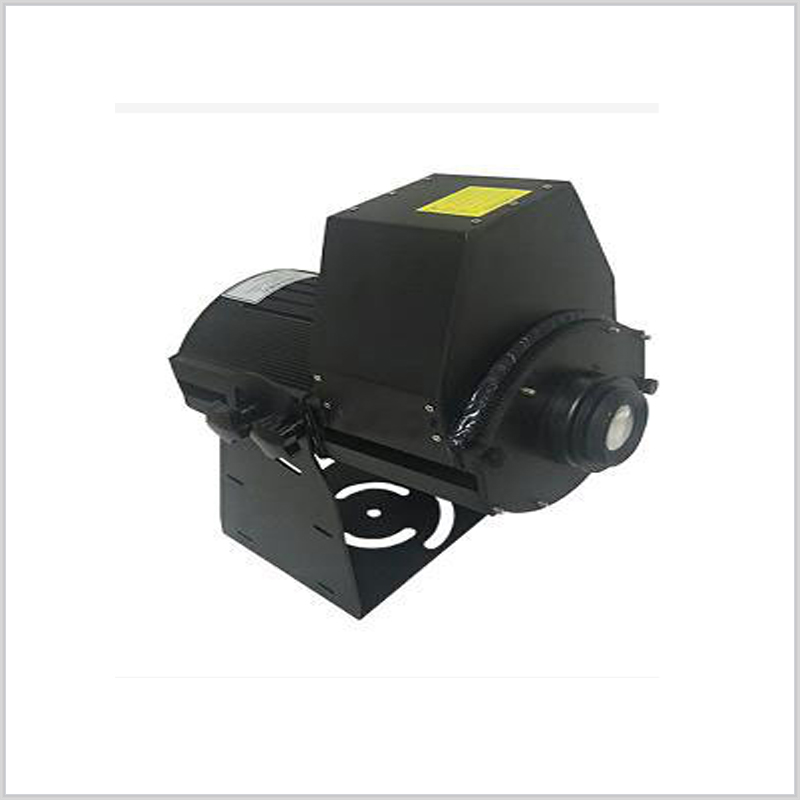
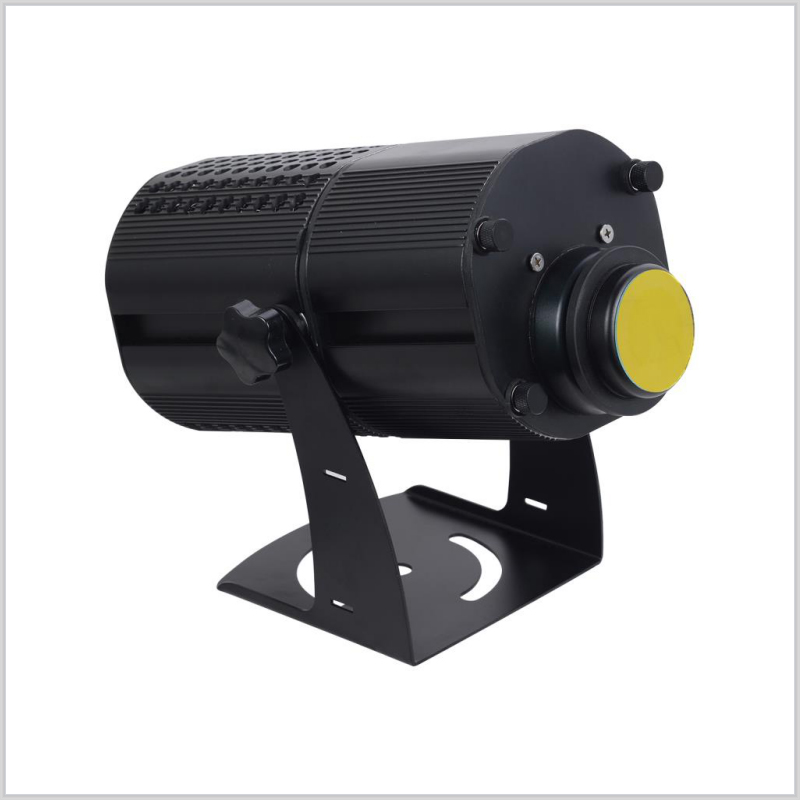
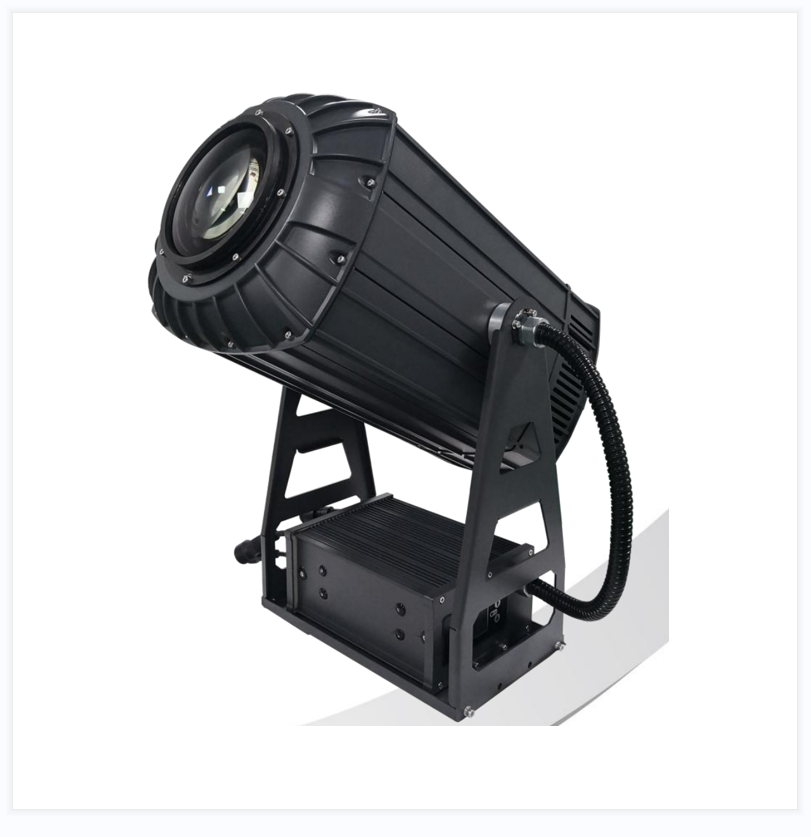
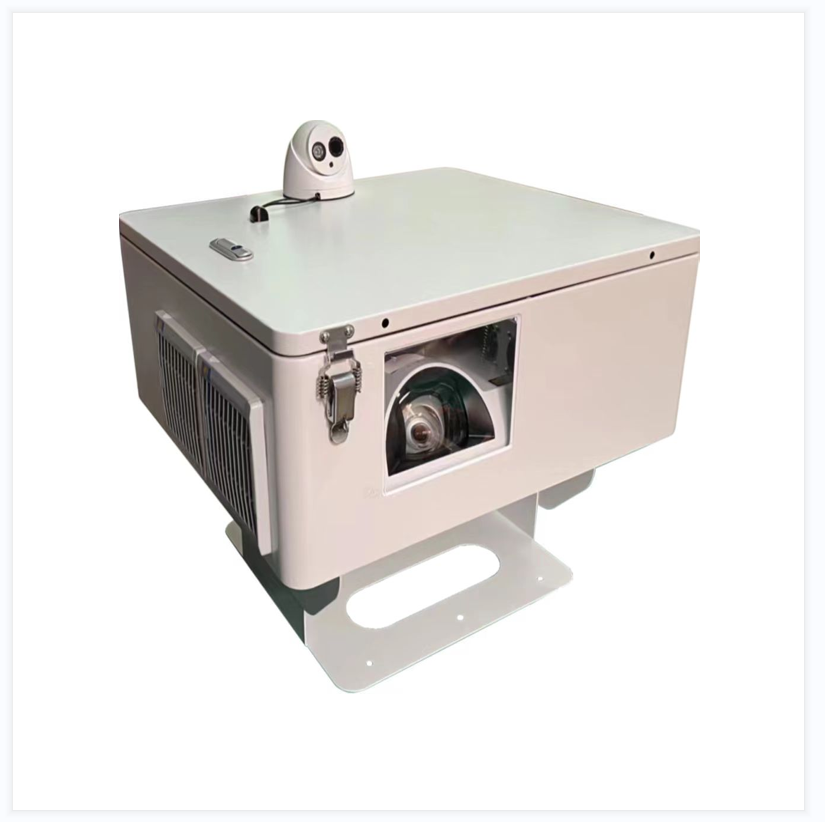
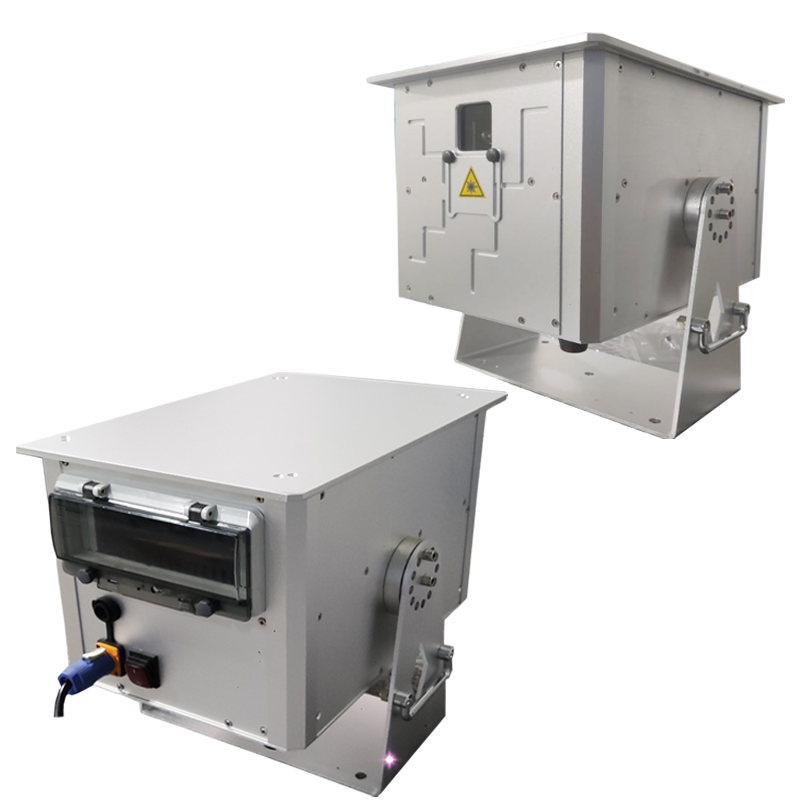
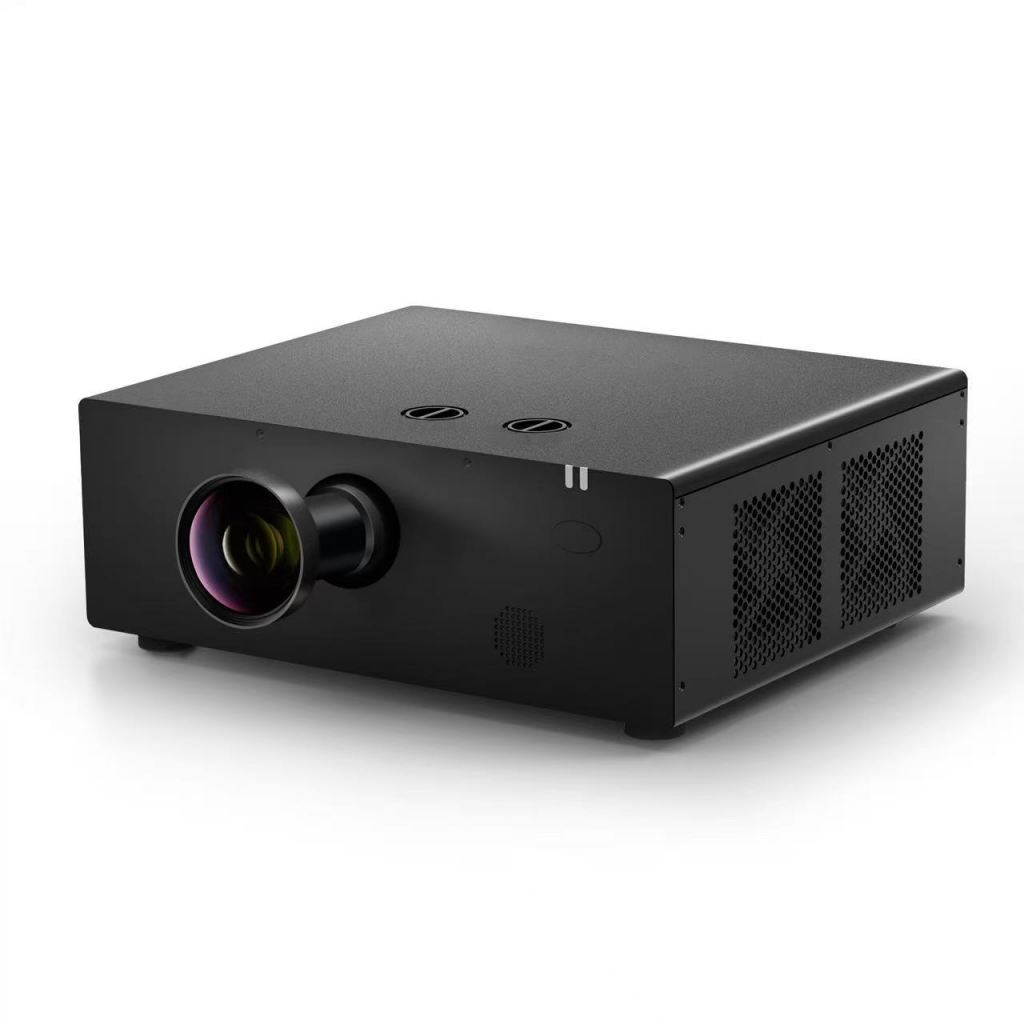
An outdoor waterproof projection light throws a pattern onto a wall, a floor or a water surface: water ripple lights, pattern projection lights and logo projectors all belong here. It is not the same thing as an engineering projector, which puts a whole image onto a building facade and is chosen by lumens and throw ratio on a separate product line. This page covers the waterproof projection light line. Every figure is read from our own spec sheet and can be checked line by line.
1. First choose: water ripple, or a pattern wheel
This is the single most important step on this line, and the one most often skipped. On our own spec sheet the water ripple light and the projection light at the same power tier state the same housing and the same weight. The difference is in the front end: the water ripple light uses 2 ripple films with twin images rotating at variable speed and electronically positioned patterns; the projection light uses 1 pattern wheel that takes 4 separate logo slides, optionally 7 pattern slides.
So the answer to “which one do I need” is not a wattage. It is whether the effect you want is a moving water surface or a specific pattern or mark. Both are DMX512 controlled, both sit in the same housing specification, and the price difference comes from the pattern wheel and the slides rather than from the enclosure.
2. How far apart the model name and the fixture power are: 7% to 38% on this line
This deserves its own section, because it is nothing like the laser lines. On our own spec sheet the readings come in pairs: the 300W tier states a rated fixture power of 320W, the 200W tier 220W, the 150W tier 180W, the 100W tier 120W, and the 80W tier 110W. The fixture sits 7% to 38% above the model name.
Why the gap is so small: an LED light source is itself rated in electrical power, so the model name and the fixture power are two points on the same ruler. On the laser lines the model name states laser output and the fixture draws tens of times that (see outdoor landmark lasers). The two lines differ by an order of magnitude, and the ratios cannot be carried across.
In practice this is good news: on the projection light line, estimating the electrical load from the model name stays within an acceptable margin. Quotes should still state which figure is being given.
3. Luminous flux matters more than the wattage
Our own spec sheet gives luminous flux on only some rows, but the ones it gives are persuasive: the 80W tier states 7000 lm and the 150W tier states 13000 lm. Working those into efficacy gives 87.5 lumens per watt and 86.7 lumens per watt — two different power tiers landing almost on top of each other.
That says the efficacy on this line is stable, which means brightness should be sized from luminous flux, not guessed from a wattage. When a site has to be twice as bright, the right question is “how many lumens, over what distance” rather than “which bigger wattage”. Giving us the target surface size and distance will get you further than naming a wattage.
4. The same name with two different protection ratings
Our own spec sheet holds a very clean comparison: the 150W water ripple light states IP20, and the 100W waterproof water ripple light states IP65. The same product name and the same body dimensions, one an indoor model and one rated for outdoor installation.
So asking for a “150W water ripple light” is not enough — say indoor or outdoor. On the outdoor version, three things need confirming: the protection rating, the operating temperature range, and how the cable exit and glands are sealed. Our own spec sheet gives the outdoor models an operating environment of −25°C to +35°C and describes a die-cast and aluminium profile housing with light source over-temperature protection and moisture-proof treatment of the electronics.
5. Beam angle, throw distance and control
Coverage comes from the beam angle and the throw distance together. On our own spec sheet the beam angle is given by tier: the 300W and 200W tiers offer 28° / 36° / 48°, the 100W tier offers 15° to 60°, and the 80W and 150W tiers state 25°. Changing the angle on the same fixture changes the covered area by a multiple, so this item is fixed after the site dimensions are known.
On throw distance, our own spec sheet gives the 80W four-pattern projection light a figure of 8 metres, with the slide format stated and the interval between images adjustable from 0 to 999 seconds. The pattern content, the slide size and the switching rhythm are all materials you need to supply in advance.
On control, our own spec sheet gives manual / auto / master-slave / DMX512 (4 or 5 channels), with daisy-chain connection, and some models run on power-up with no control at all. Decide early whether a console is involved, because that decides the wiring and whether control cable has to be provided for.
6. Choosing by venue
- Building facades, bridges, parapets — pattern projection lights; the pattern wheel content and the throw distance are the constraints, and on a textured facade test one panel first.
- Fountains, water screens, riverbanks — water ripple lights; the protection rating and the beam angle matter, water reflects, and the angle is set on site.
- Plaza floors and walkways — choose power and angle by the floor material, and note that a reflective floor makes the bright areas brighter.
- Shopfronts and logo signage — a four-pattern or swappable-slide model; the slide content has to be fixed in advance, and so does the switching rhythm.
- Indoor showrooms and stages — the indoor model is enough; there is no reason to pay a full tier of housing cost for waterproofing you do not need, since that is where the indoor/outdoor price difference mostly sits.
To get a configuration
Send us the throw distance, the target surface size and material, whether you want a water ripple effect or a specific pattern, indoor or outdoor, how many surfaces are involved, and whether a console is in the picture. That is enough to fix the power tier, the beam angle and the protection rating, and to come back with a configuration and installation advice.